The words pumpkin and squash aren’t botanical names. A winter squash, so called because it will store over the winter (not because it grows in the winter), has a thick skin and is what we call in New Zealand a pumpkin. Summer squash have thin skins and do not store, examples of these are zucchini and scaloppini.
The word ‘squash’ which is indiscriminately applied to all curcubita species (and there is dispute as to whether there is 13 or 30 species here) is derived from the First Nations word askutasquash, which was a food staple for these ancient people and one of the ‘three sisters’ along with beans and corn. This North American squash, cultivated since prehistoric times, was delivered to Europe in the 16th century where it became confused with a pepo or peponi (Greek for melon, or ‘round fruit’), morphed into pompom (French) and pumpion (English) before turning up back in the Americas with the white colonists and called a pumpkin.
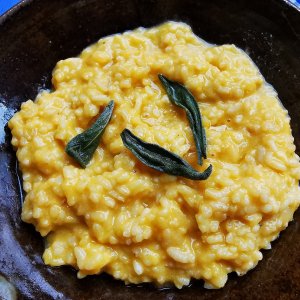

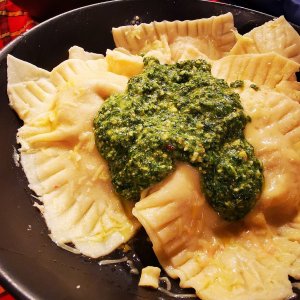
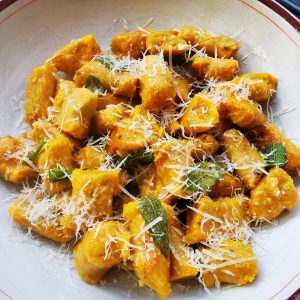
 food ripe from my garden