Leeks can wait all winter in the vege garden and be ready when you want them, but you need to time their sowing so they are big enough before growth slows in the really cold part of the winter. Then, along with carrots and celery (which you also might have managed to grow in time),…
Tag: winter garden
the long pause – winter solstice
From our house, the sun used to rise out of the ocean, until all the trees down by the beach grew. Where it rises swings back and forth along the horizon like a slow pendulum as the year progresses. It pauses at the extreme south-eastern point of its swing in mid-summer, then reverses direction and…
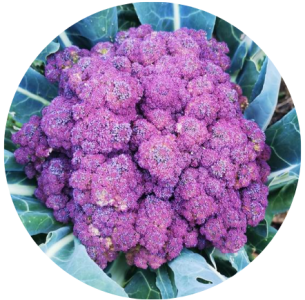
winter in my garden- red cabbage and purple cauliflowers
Today the winter sun is shining on the red cabbages. They are resplendent in their hues of red, blue, and purple. The sun, shining through the drab outer leaves, lights up an intricate network of red veins threading throughout. The colour of red cabbages varies according to the Ph level of the soil they are grown…
the winter garden – kohlrabi
There is no evidence of any magical properties for this sturdy eastern European vegetable, but plenty for its benefits to your health. Popular in German speaking countries (kohl/cabbage-rube/turnip), including American states with German populations, this brassica has also made its way to India and south east Asia. Kohl rabi is eaten both raw in salads…
winter in the garden – fennel
Another ancient medicinal herb with magical properties, fennel is a native of the Mediterranean. Wild fennel was naturalised throughout Europe , spreading eastwards into monastic gardens where it was used in herbal preparations and liqueurs, one of these being an early version of absinthe which has aniseed flavours derived from both anise and fennel. Despite…
the winter garden: beetroot
Aphrodite ate beetroot to increase her allure. Frescoes of beets decorate the walls of the Lupanare brothel in Pompeii. Beetroot, an ancient aphrodisiac, has a long history that begins on the shores of north Africa and the Mediterranean in a wild seashore plant called sea beet. The ancient Greeks and Romans only ate the leaves,…
 food ripe from my garden