Harvest, Plant and Plan for the SPRING Hunger Gap
Harvest
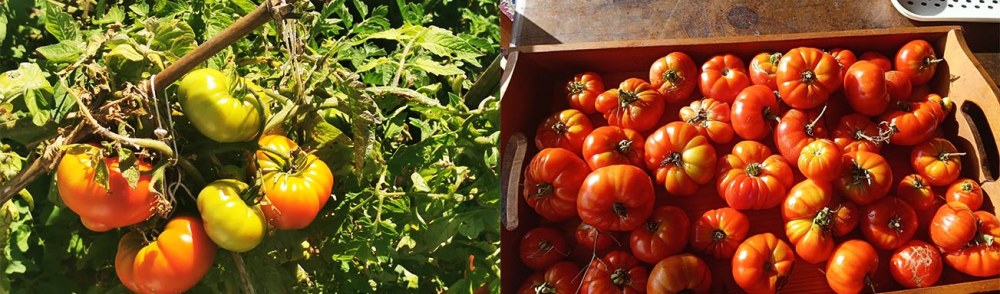
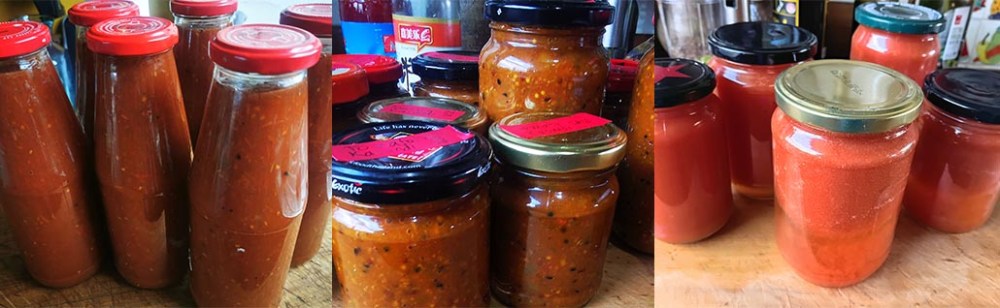
The summer crops are harvested: pumpkins and winter squash have hardened off and are on the kitchen window sill where I can keep an eye out for decay; the kumara has been lifted, cured and wrapped individually in newspaper and placed in a cardboard box in a dark cupboard inside the house (they don’t like to get cold); tomatoes have been processed into passata, paste, kasundi and tomato sauce (ketchup-style) and there are more still flowering and ripening in pots in the shelter of our deck which I’m hoping will continue into June meaning we will have eight months of the year of fresh harvested tasty toms. Capsicums have been eaten and frozen. Zucchinis are still growing!
PLANT
The garlic was planted mid – April. No emerging green tips yet, but what is coming up in the same patch are thousands of tomato seedlings which must be last year’s passata seeds in the compost.
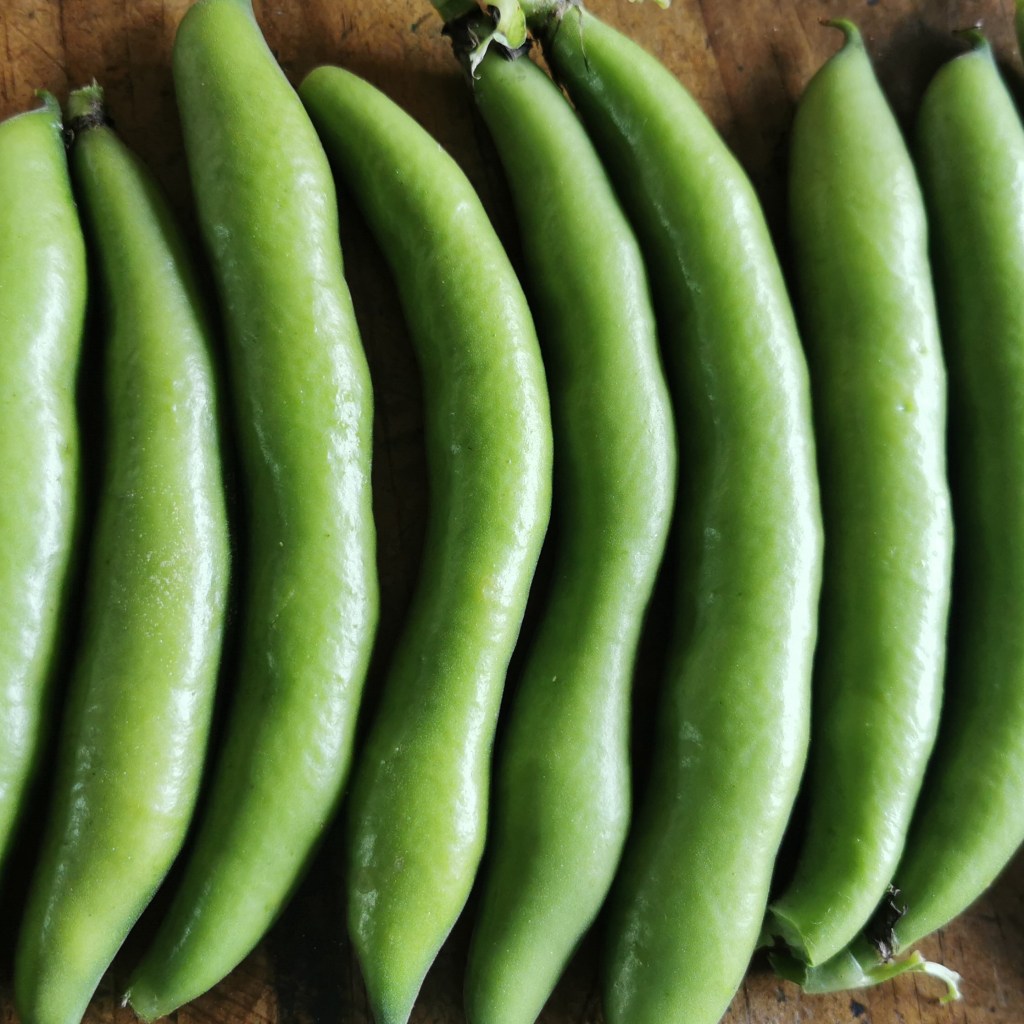
Getting ready to plant broad beans as soon as the soil dries out from recent rains. One of the few plants (along with garlic) that will sprout and grow through the depths of winter they are one of the highlights of early spring, picked and shelled early while tender and sweet, barely cooked then tossed with olive oil, mint and chives….YUM! Planted too early they never seem to set around here. I will do two or three plantings a month apart.
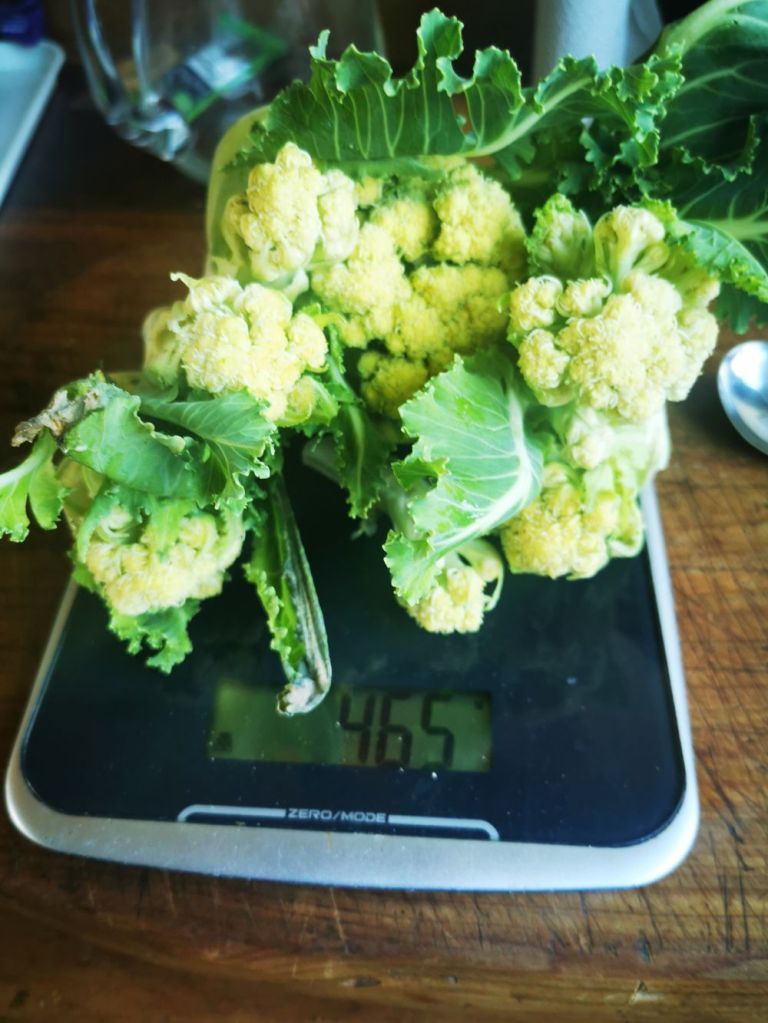
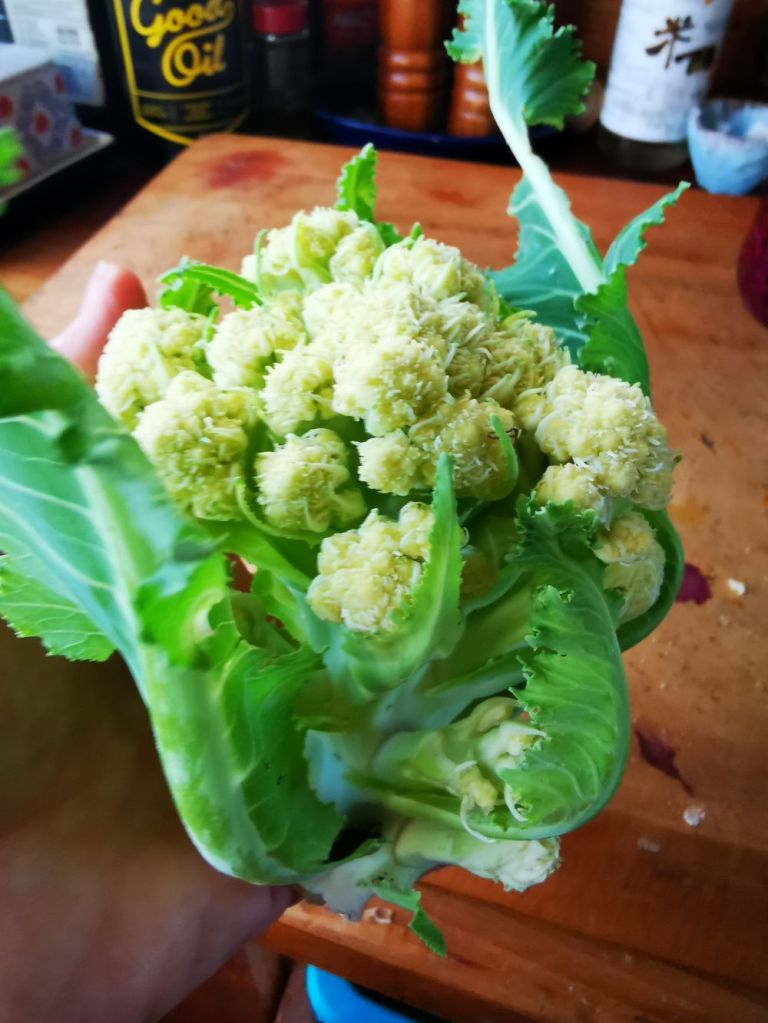
Nine Star Perennial Brocolli
PLAN
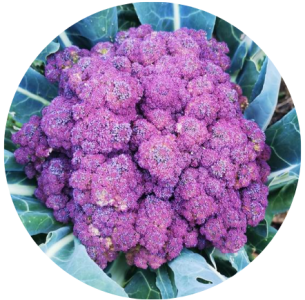
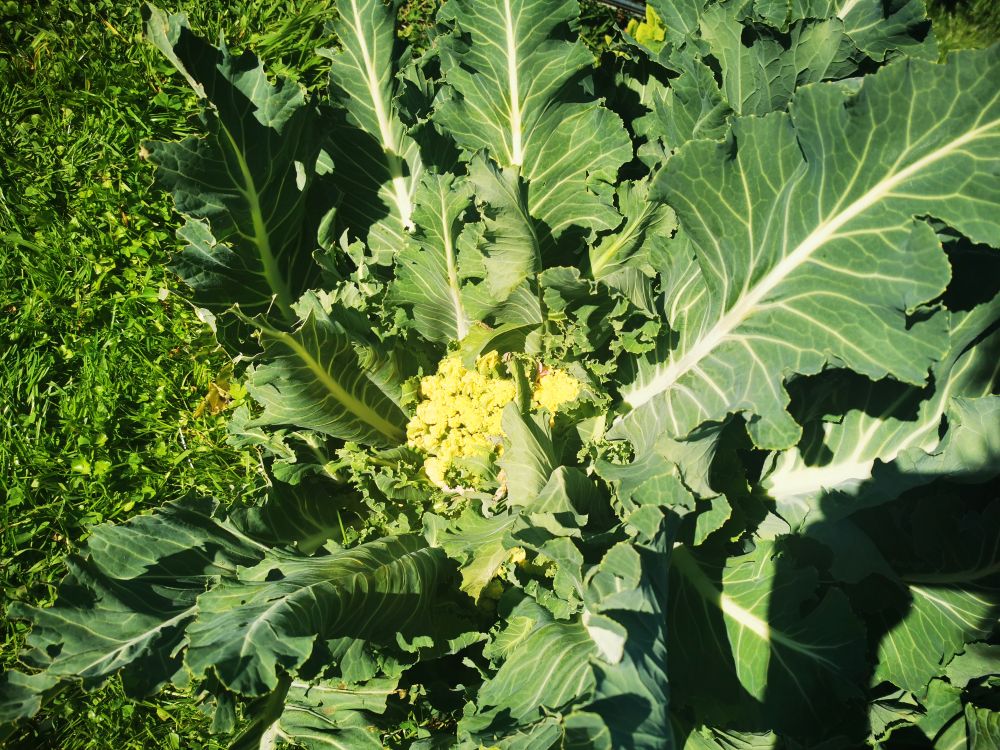
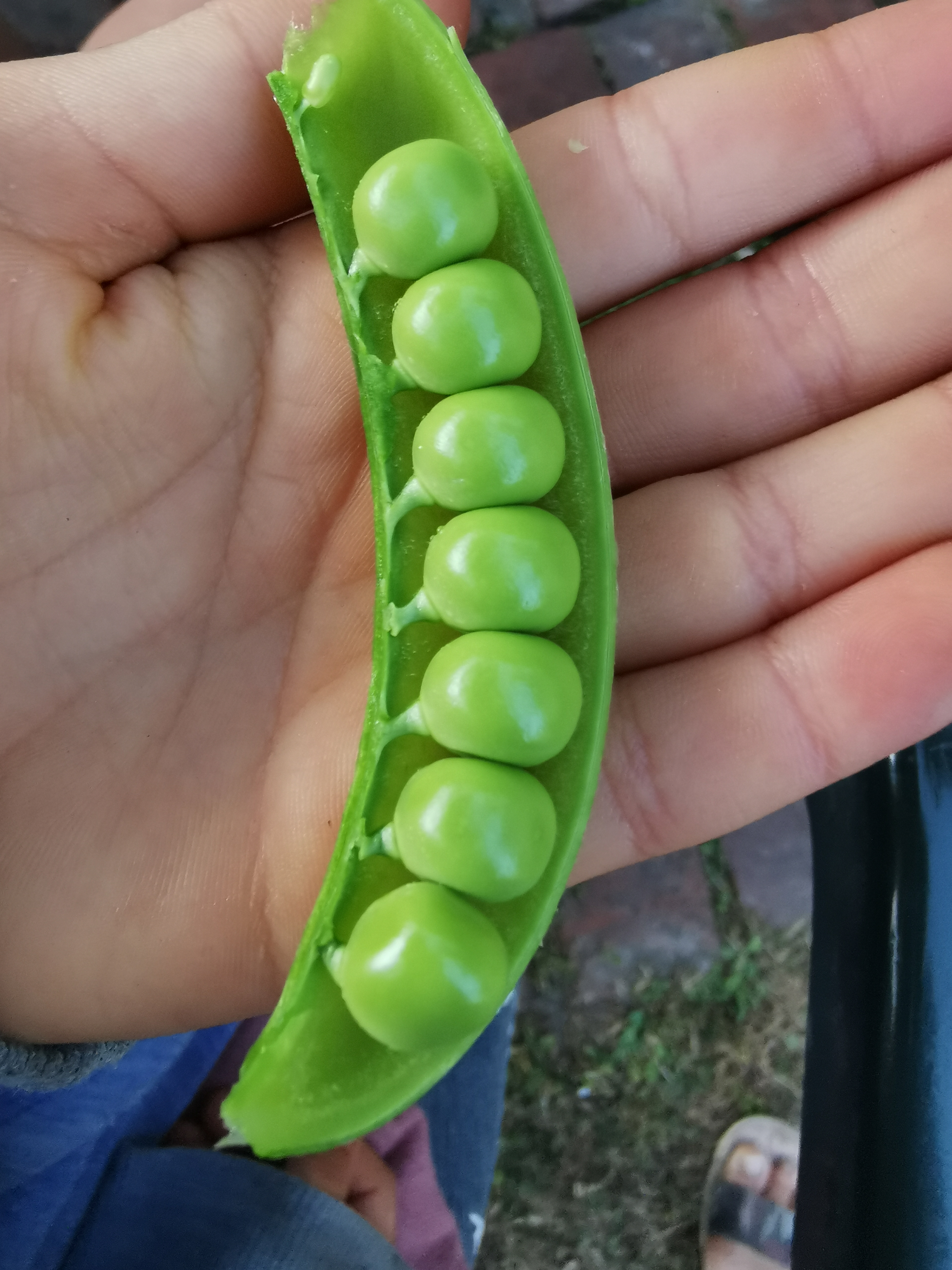
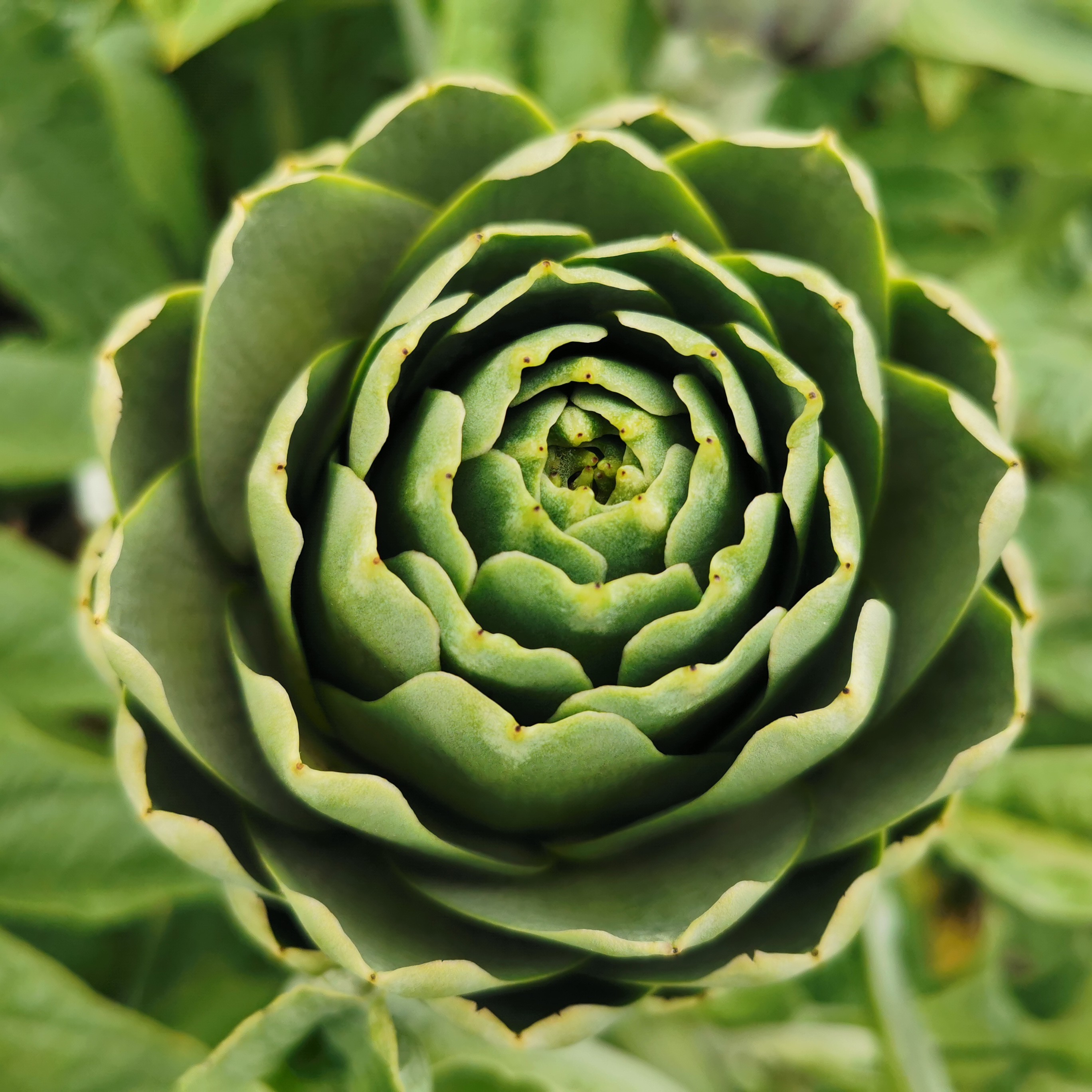
The ‘hunger gap’ is the time in early spring when stored root crops are sprouting and turning soft, the winter greens in the garden are going to seed and the summer crops are yet to produce. It’s easy to get caught out and resort to buying veges, but last year when a single cabbage cost $8 at the supermarket I had second thoughts, so this year I am planning early. The first part of the strategy are the perennials. The established globe artichokes (that produce between October and December) are flourishing but we cannot live on artichokes alone. Four years ago, we planted an asparagus bed and last spring was its first big year, with a couple of big feeds a week for four months. More perennials are planned: a nine-star broccoli (which is like a cauliflower that produces several small heads and off shoots over an extended period in spring) and perpetual spinach. In addition, I will factor in broad beans, purple sprouting broccoli and peas. That lot should see us through until the summer crops begin producing. Look through any Mediterranean cookbook and you will find all number of spring recipes combining broad beans, artichokes, asparagus, peas and new potatoes from Palestinian, Lebanese and Italian spring vegetable stews through to simple, fresh salads.
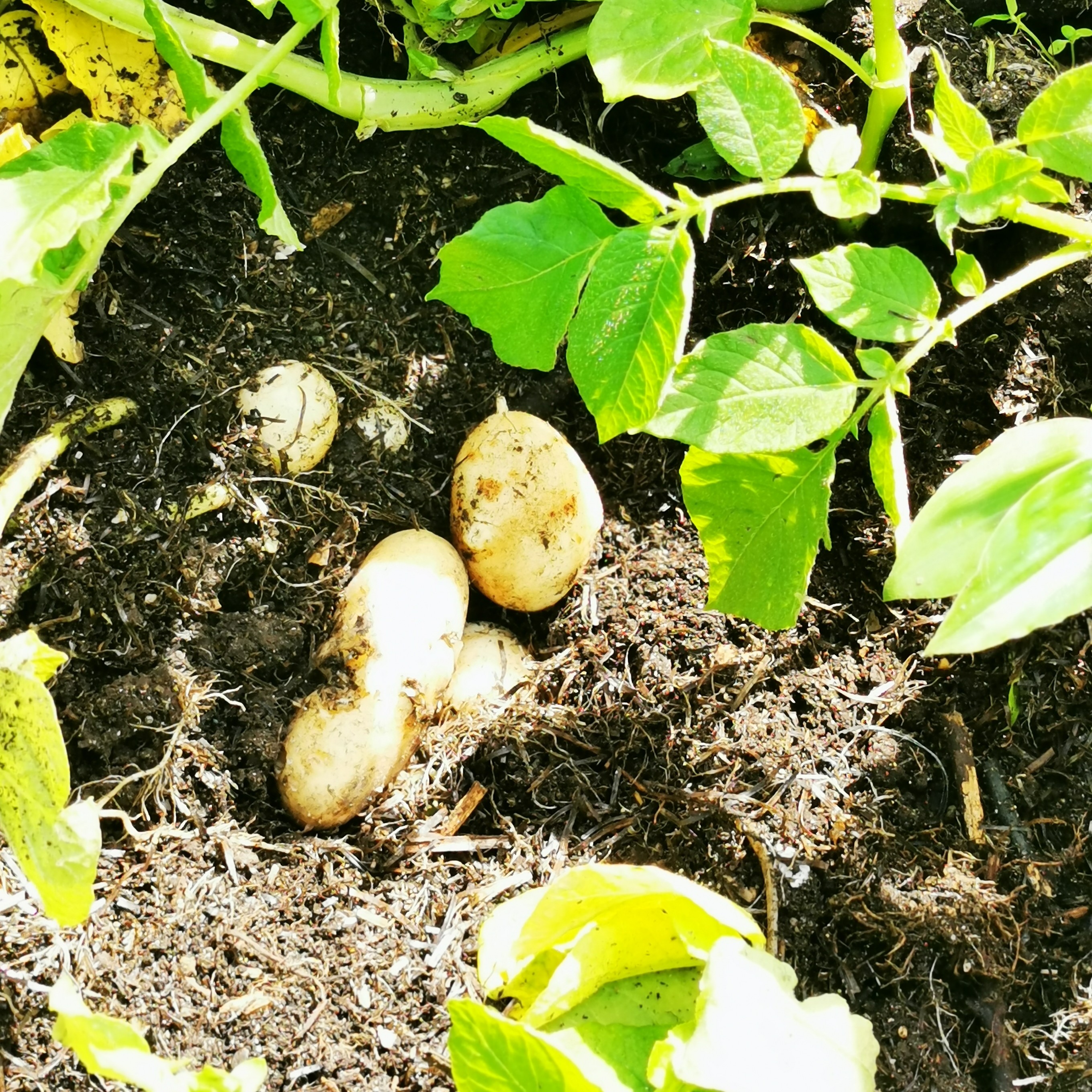
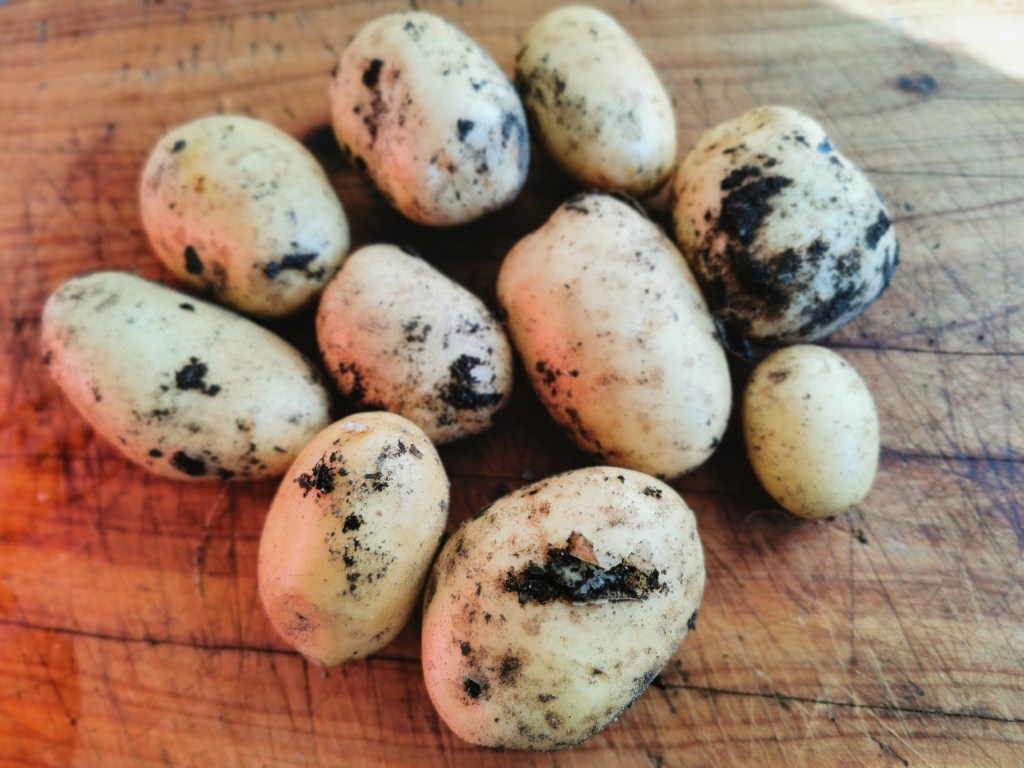
This spring will be a first for a new potato strategy: I don’t have enough space in the vege patch for a big one-off potato main crop so instead last year grew three plantings of new potatoes (Lisetta and Jersey Bennes) which I started harvesting in October with the last harvest in March. That’s six or seven months of new potatoes, and it wouldn’t take much, apart from planning it, to extend that season out both ends. By planting the first lot in July I hope to start harvesting in September and do successive plantings to take the harvest through until May or June thereby just about covering the whole year.
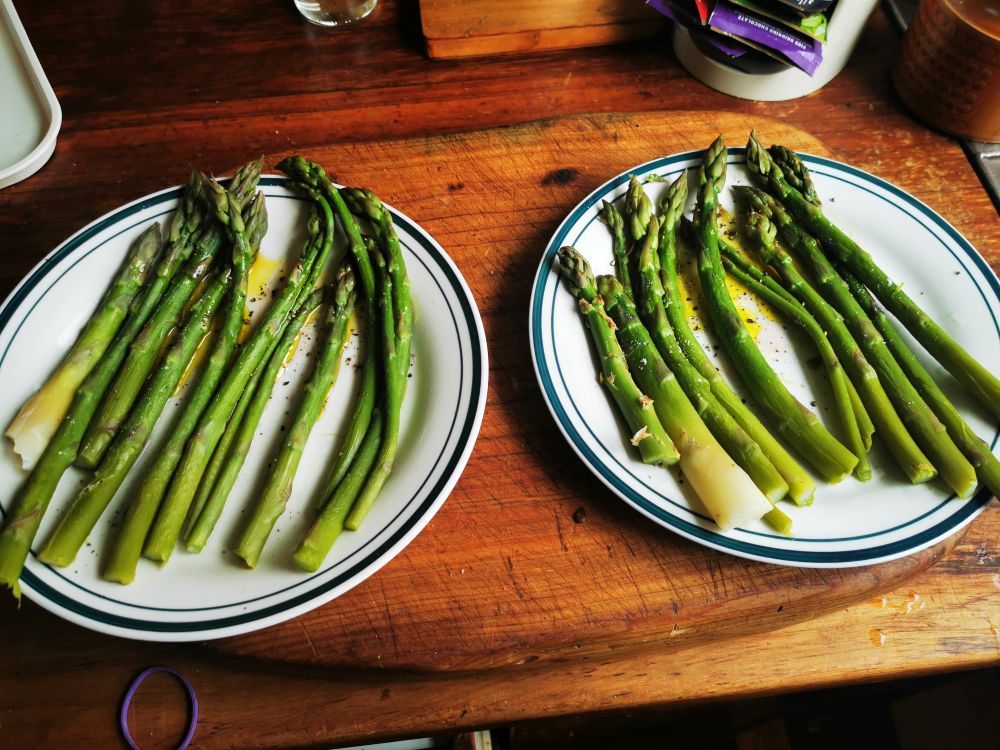

 food ripe from my garden